
The Future of Healthcare Operations: Inside CareOS's AI-Native Architecture
A deep dive into CareOS, Anthaathi's comprehensive Healthcare Management System. Explore how voic...
 Anthaathi
 We design and build enterprise systems — from healthcare platforms to surveillance networks — that solve critical business problems and ship in weeks.
No months of planning in isolation. You see working software within weeks — real builds, real feedback, real progress.
We don't just write code and walk away. We monitor, maintain, and improve — your success is our reputation.
Surveillance, healthcare, field surveys, enterprise platforms — we've built and shipped production systems across industries.
AI-native Healthcare Management System for hospitals, clinics, and practitioners. Voice-powered documentation, clinical decision support, and intelligent patient flow—less paperwork, more care.
Unified surveillance bridging isolated camera networks into a single pane of glass via a secure Mesh Overlay Network. No exposed ports.
Customizable platform for enterprise collaboration, data collection, and offline-first surveys. Streamline operations with real-time sync.
Comprehensive wedding committee management system built for large Indian weddings. Guest lists, vendor coordination, budgets, Muhurat timings, cultural rituals — everything your committee needs to plan without the chaos.
White-label enterprise survey platform with true offline-first architecture. 15-language support, digital signatures, GPS tracking, and voice-enabled surveys for field data collection.
Real results driving growth and efficiency across diverse industries.
Premier vehicle selling marketplace in the UAE.
An open-source media hub designed to simplify the way you manage, organize, and distribute digital media content globally.
Streamlining business operations with an all-in-one collaboration and data collection solution.
Digital transformation for the Middle East's leading importer/exporter of fresh produce. Automated supply chain.
AI-powered recruitment platform streamlining hiring with automated screening and candidate matching.
Advanced IoT-based solution with AI-powered surveillance, smart access control, and integrated sensors.
Leading beauty and wellness marketplace in the Middle East, connecting customers with top-rated salons.
Premium jewelry purchase platform revolutionizing the luxury retail experience with AR try-ons.
UAE's premier customized bottles platform offering unique personalization with 3D designers.
Modern financial advisory platform revolutionizing access to financial services with automated compliance.
Visually stunning marketing pages and designs.
Innovative apps using Flutter and Native.
Compelling shopping experiences for scale.
Tailored solutions for content management.
We listen first. Understand your problem, your users, your constraints. No assumptions.
Small, frequent releases. You see progress every week, not after six months of silence.
We don't disappear after launch. Monitoring, fixes, and improvements — we're in it with you.
A deep dive into CareOS, Anthaathi's comprehensive Healthcare Management System. Explore how voic...

Discover how EagleEye simplifies enterprise surveillance by using a WireGuard-based mesh overlay ...
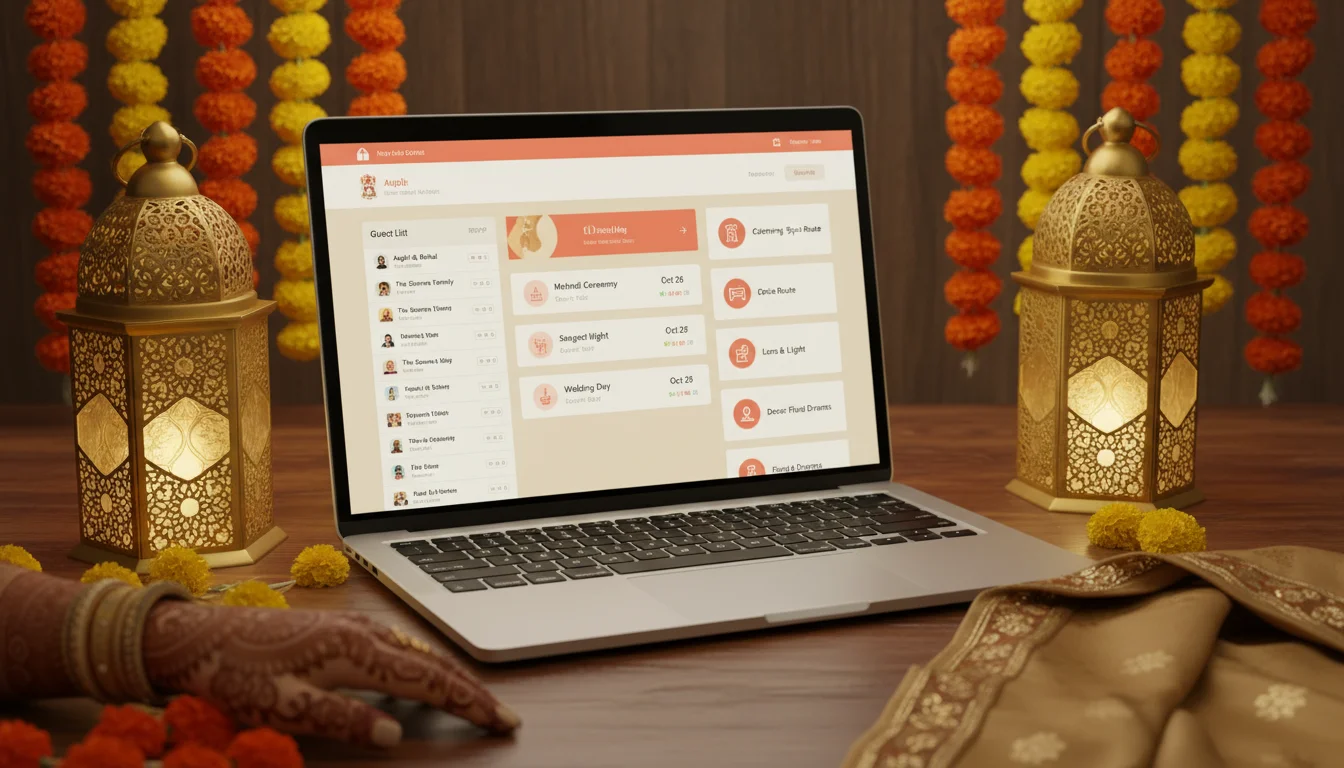
Why spreadsheets fail at managing 500+ guest Indian weddings and how Anthaathi's Wedding Platform...
Whether it's unified surveillance, enterprise collaboration, or custom software development, our engineers are ready.
CSN 1476, E Ward, Vetale Galli,
Kasaba Bawada, Kolhapur,
Maharashtra, India - 416006